
Ambition · Week 02 · Business & Markets
Four Markets. One Pattern.
Caribbean Financial Literacy
What the published data shows about financial literacy in Trinidad and Tobago, Jamaica, Guyana and Barbados and what it does not yet show.
Category
Business & Markets
Type
Educational
Reading time
8 MIN
Author
Ambition
Updated
October 2026
QUICK ANSWER
Caribbean financial literacy looks different in each of the four main markets. Trinidad and Tobago's Central Bank has run a national programme since 2007, and nine institutions renewed their agreement to work on it together in September 2026. Jamaica, where the stock exchange has taught investors since 2010, has the most closely measured rise in people buying shares.
In the ten years to 2020, Jamaicans investing went from about 2 in every 100 people to 10. Guyana's listed shares were worth about 2.6 times as much in April 2022 as in January 2021, and no new company has listed there in over a decade. Barbados's Central Bank has run financial education since 2009. Source: CBTT · 2026; JIS · 2021; Guyana Stock Exchange · 2026; US Department of State · 2026; Central Bank of Barbados · 2009; Ambition calculation
Each figure carries its currency: GY$ is the Guyana dollar and US$ the United States dollar.
Across Trinidad and Tobago, Jamaica, Guyana and Barbados, the published data on Caribbean financial literacy shows a pattern. In Jamaica, the one market that measures it closely, far more people began investing in the years after its stock exchange started teaching investors.
This is not a story of one country leading and others trailing. Each market started from a different place, with different institutions doing the teaching. What follows is what the available data shows about each of the four, a snapshot, not a ranking.
There is a gap in the data itself. Ambition found no single survey that measures financial literacy the same way in all four markets, so they can be described side by side but not scored against each other.
How much of what you know about money came from a programme like the ones below and how much from family, work or trial and error?
Trinidad and Tobago
Since 2007
The Central Bank's National Financial Literacy Programme; nine institutions signed a new agreement to work together in September 2026. Source: CBTT · 2026
Jamaica
2 → 10 in 100
Jamaicans investing in shares, per 100 people, in the ten years to 2020. Source: JIS · 2021
Guyana
GY$397bn → GY$1,014bn
Value of all listed shares, January 2021 to April 2022. Source: Guyana Stock Exchange · 2026
Barbados
Since 2009
The Central Bank of Barbados's National Financial Education Programme; MoneySmart added in 2024. Source: Central Bank of Barbados · 2009, 2024
Trinidad and Tobago: A National Programme Since 2007
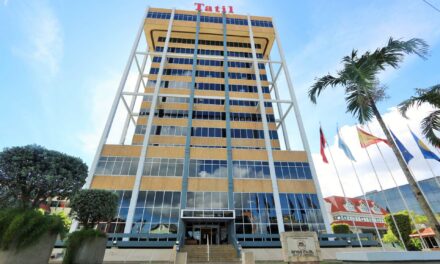
T&T’s national effort is the oldest of the four. The Central Bank of Trinidad and Tobago (CBTT) launched the National Financial Literacy Programme (NFLP) on 31 January 2007. Its free sessions cover budgeting, saving, retirement and managing debt, for individuals, organisations and community groups. Source: CBTT · 2026
Since 2018, a National Financial Education Committee has brought other institutions into the work. On 28 September 2026, its nine member institutions signed a three-year Memorandum of Cooperation, with the Central Bank as the committee’s secretariat. Source: CBTT · 2026
| National Financial Education Committee · member institutions (alphabetical) |
|---|
| Association of Trinidad and Tobago Insurance Companies, with the Trinidad and Tobago Insurance Institute |
| Bankers Association of Trinidad and Tobago |
| Central Bank of Trinidad and Tobago |
| Co-operative Credit Union League of Trinidad and Tobago |
| Deposit Insurance Corporation |
| Mutual Funds Association of Trinidad and Tobago |
| Tobago House of Assembly Financial Literacy Secretariat |
| Trinidad and Tobago Securities and Exchange Commission |
| Trinidad and Tobago Stock Exchange |
Source: CBTT · 2026
The work reaches schools as well as adults. The CBTT’s first FINLIT LIVE expo, on 6 and 7 May 2026 at the Centre of Excellence in Macoya, reached over 2,300 people, with more than 50 primary and secondary schools represented. Source: CBTT · 2026
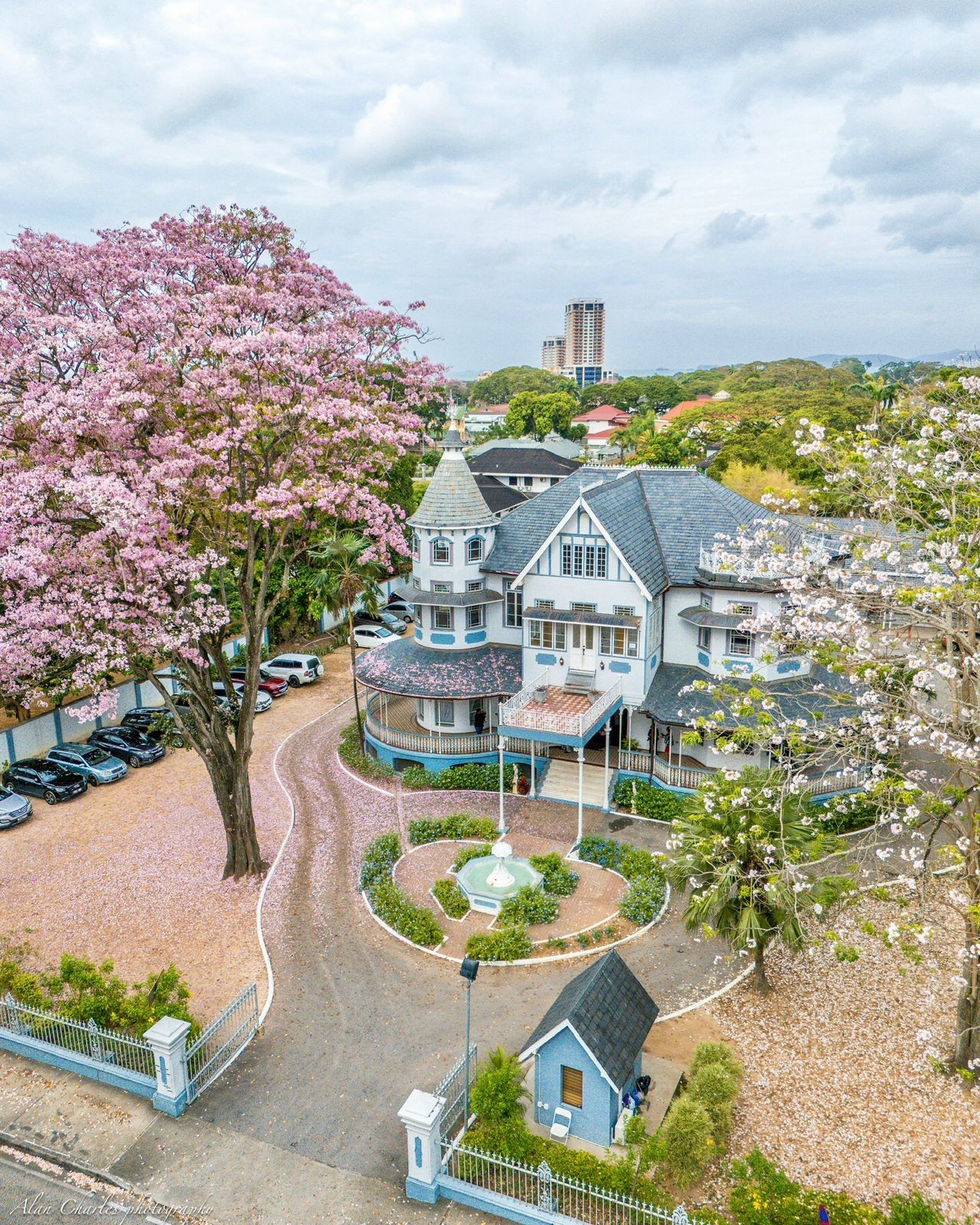


The securities regulator and the exchange run their own outreach too. The Trinidad and Tobago Securities and Exchange Commission (TTSEC) launched a National Investing Debate Competition for secondary schools in September 2026, with 22 teams from six education districts and Tobago. Source: TTSEC · 2026 The Trinidad and Tobago Stock Exchange (TTSE) runs investor education sessions with regulators and licensed brokers, and in December 2025 launched TOBI, a chatbot that answers market questions around the clock. Source: Trinidad Express · 2025
Share ownership has widened through public offers too. In 2022, the Minister of Finance described offering shares in state enterprises to the public as part of broadening and deepening the market: after offers in 2015 and 2017, individuals and institutions in T&T held 75% of one of them, a natural gas company. Source: Ministry of Finance · 2022
Jamaica: Sixteen Years of Investor Education


The Jamaica Stock Exchange (JSE) has the most closely measured record in the region of everyday people buying shares. In the ten years to 2020, its investor base grew from about 2% of the population to about 10% from 2 in every 100 people to 10. New investors rose from 3,412 in 2015 to 48,128 in 2019, about 14 times as many. Source: JIS · 2021; Ambition calculation
More recent figures point the same way. In July 2026, JSE chief executive Livingstone Morrison said accounts at the Jamaica Central Securities Depository, where shares are held electronically, had grown from just under 150,000 at the end of 2015 to 427,000, nearly three times as many, and that most new shareholders are under 45. One investor can hold more than one account. Source: Jamaica Stock Exchange via IRIE FM · 2026; Ambition calculation
Here is what sits behind those numbers. The JSE founded its e-Campus in 2010 to train people working in the financial sector; it offers a postgraduate diploma in financial services management and professional certificate programmes. Source: JIS · 2021
The teaching reaches children too. In early 2025, about 575 students from 15 primary and preparatory schools were trained for a year-long virtual stock market game hosted with the JSE, each given US$10,000 in practice money. Source: JIS · 2025 In August 2022, the exchange launched the Caribbean Business Exchange, a 24-hour business television channel with a reach of over 30 territories in the region. Source: Jamaica Observer · 2022
In Jamaica, the years of teaching and the years of new investors ran side by side.
From Ambition · Free Tool
Personal Financial Health Scorecard
A 12-question assessment producing a financial health rating and the areas to review first · any currency
Guyana: Rising Values, No New Listings
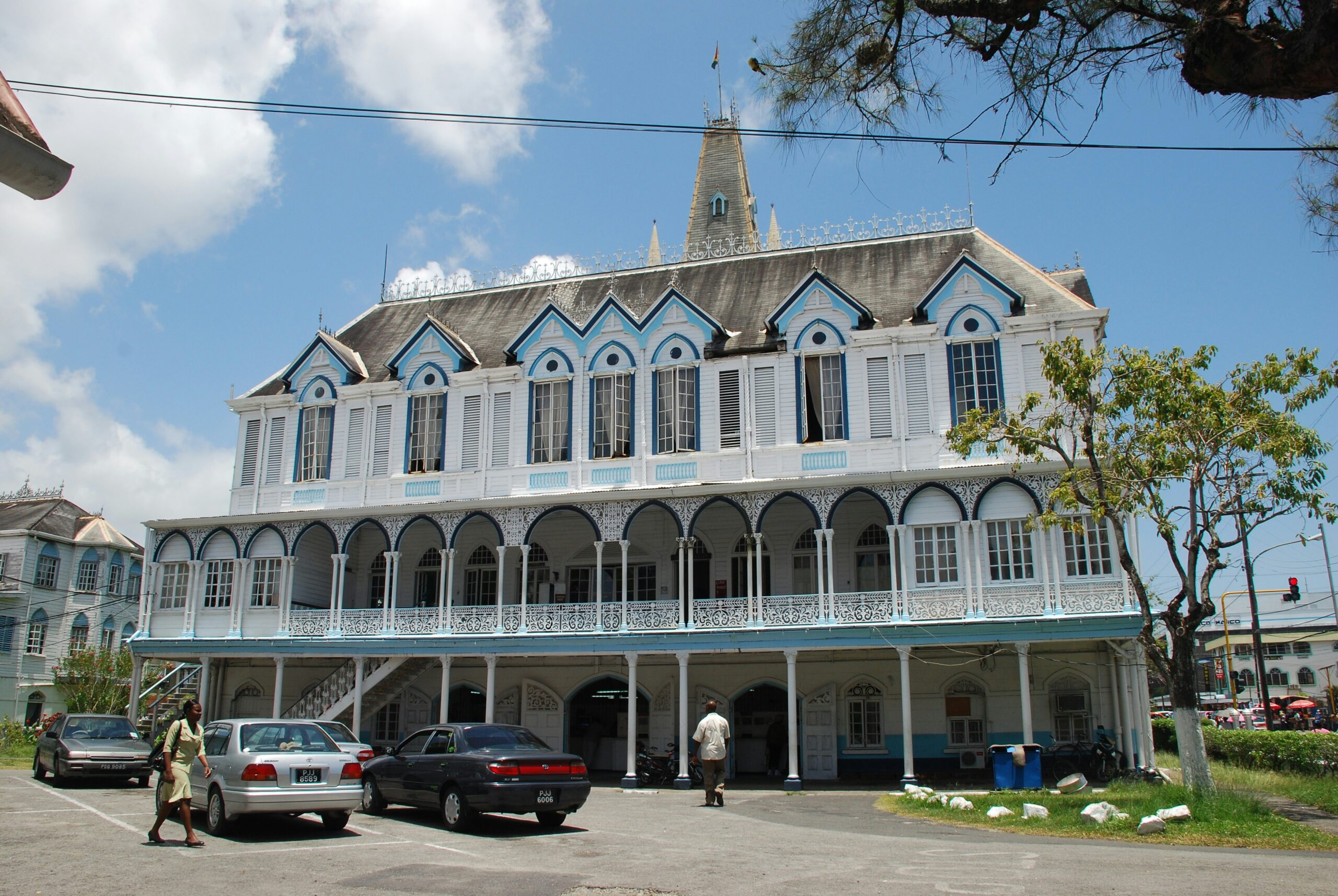
Guyana presents a different version of the same question. The Guyana Stock Exchange Inc. formerly the Guyana Association of Securities Companies and Intermediaries (GASCI) has held trading sessions since 2003, once a week. Session 1,196 took place on Monday, 26 October 2026. Source: Guyana Stock Exchange · 2026
The value of what is listed has moved sharply. Market capitalisation, the total value of all listed shares went from about GY$397 billion in January 2021 to about GY$1,014 billion in April 2022: for every GY$100 of value at the start, about GY$255 fifteen months later. In October 2026 it stood at about GY$882 billion. Source: Guyana Stock Exchange · 2026; Ambition calculation
The list of companies has changed less. The United States Department of State’s 2026 Investment Climate Statement notes that Guyana has not listed a new company in over a decade and, as of April 2026, had not had a successful initial public offering, a company’s first sale of shares to the public in more than ten years, over a period it describes as one of rapid economic growth. Source: US Department of State · 2026
The exchange’s own website offers beginners’ material: answers to common questions, a glossary, a guide to buying and selling shares and an AI tutor. Source: Guyana Stock Exchange · 2026
If you lived in Georgetown, how would you buy a share, and who would you ask first?


Barbados: A Central Bank Programme Since 2009

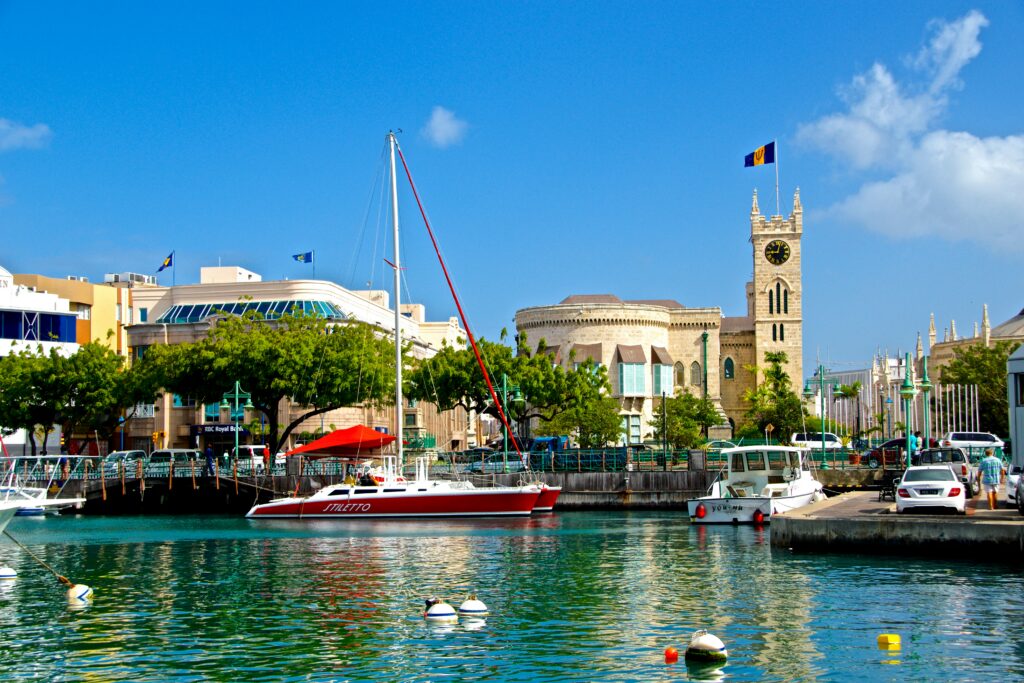
Barbados began its national effort two years after T&T. The Central Bank of Barbados launched a National Financial Education Programme on 31 August 2009, covering budgeting and saving, borrowing and buying a home, credit and debit cards, insurance, and retirement and estate planning, through lunchtime sessions, community groups and the media. Source: Central Bank of Barbados · 2009
In March 2024, the Bank launched MoneySmart, a multi-year digital programme taught in modules: saving and budgeting first, with investing, borrowing, retirement planning and avoiding fraud to follow. It built the programme from a survey it commissioned in late 2022, which found a reasonably high level of financial literacy in Barbados along with gaps in knowledge. Source: Central Bank of Barbados · 2024
The channels follow the survey too. Respondents preferred digital channels, so MoneySmart runs mainly online — a dedicated webpage, social media, videos and an advice column — with radio and newspapers used less. Source: Central Bank of Barbados · 2024
The Bottom Line — Three Points to Remember
Three points to carry away:
Each market teaches in its own way.
T&T's Central Bank programme dates from 2007 and now works with nine institutions; Barbados's Central Bank programme from 2009; the JSE's e-Campus from 2010, 16 years ago. Guyana's exchange offers beginners' material online. Ambition calculation
Jamaica measures the result.
Jamaicans investing went from about 2 in 100 people to 10 in the ten years to 2020, and depository accounts nearly tripled from the end of 2015 to July 2026. Source: JIS · 2021; Jamaica Stock Exchange · 2026; Ambition calculation
The data is not yet comparable.
Ambition found no single survey that measures financial literacy the same way in all four markets, so they can be described side by side, not scored.
your next move
One question to sit with: where did most of what you know about money come from?
A few options for consideration: a free session from the Central Bank of Trinidad and Tobago’s National Financial Literacy Programme; the investor education material published by the TTSE and the TTSEC; or, for readers in Barbados, the Central Bank of Barbados’s MoneySmart modules.
Next in this series: Wealth Is What You Don’t Spend — the gap between what you earn and what you keep, worked through with T&T figures.
Every week at caribbeanambition.com, Ambition explains what is happening with your money and what it means for you. Subscribe for the weekly brief and get the next article directly in your inbox.
Subscribe free at caribbeanambition.com.
Caribbean business, finance, and wealth — translated. Every Tuesday. Sourced data. No investment advice. Unsubscribe any time.
Frequently Asked Questions (FAQs)
What is the state of Caribbean financial literacy in 2026?
It looks different in each of the four main markets. Trinidad and Tobago’s Central Bank has run the National Financial Literacy Programme since 2007, with nine institutions signing a new agreement to work together in September 2026. Jamaica, where the stock exchange has taught investors since 2010, has the most closely measured rise in people buying shares. Guyana’s exchange has grown in value but has not listed a new company in over a decade. Barbados’s Central Bank has run financial education since 2009 and launched MoneySmart in 2024.
How many Jamaicans invest in the stock market?
In the ten years to 2020, Jamaica’s investor base grew from about 2% of the population to about 10%. New investors rose from 3,412 in 2015 to 48,128 in 2019. In July 2026, the Jamaica Stock Exchange’s chief executive said depository accounts had grown from just under 150,000 at the end of 2015 to 427,000. Source: JIS · 2021; Jamaica Stock Exchange · 2026
What is the National Financial Literacy Programme in Trinidad and Tobago?
It is the Central Bank of Trinidad and Tobago’s financial education programme, launched on 31 January 2007. It offers free sessions on budgeting, saving, retirement and managing debt. Since 2018 a National Financial Education Committee has worked with it; its nine member institutions signed a three-year Memorandum of Cooperation on 28 September 2026. Source: CBTT · 2026
How does the Guyana Stock Exchange work?
The Guyana Stock Exchange Inc., formerly GASCI, has held weekly trading sessions since 2003. The total value of its listed shares went from about GY$397 billion in January 2021 to about GY$1,014 billion in April 2022, and was about GY$882 billion in October 2026. No new company has listed in over a decade. Source: Guyana Stock Exchange · 2026; US Department of State · 2026
Does Barbados have a financial literacy programme?
Yes. The Central Bank of Barbados launched a National Financial Education Programme in August 2009 and a digital programme, MoneySmart, in March 2024, built from a survey it commissioned in late 2022. Source: Central Bank of Barbados · 2009, 2024
SOURCES
| CBTT · 2026 | Central Bank of Trinidad and Tobago. National Financial Literacy Programme page: launched 31 January 2007; free sessions and topics. "National Financial Education Committee Members Reaffirm Commitment to Advancing Financial Literacy" (September 30, 2026): Memorandum of Cooperation signed 28 September 2026; committee established 2018; nine member institutions; three-year term. "Central Bank's FINLIT LIVE 2026 takes off at Centre of Excellence" (May 7, 2026): over 2,300 people; over 50 primary and secondary schools. https://www.central-bank.org.tt/nflp/ https://www.central-bank.org.tt/wp-content/ https://www.central-bank.org.tt/central-banks-finlit-live-2026-takes-off-at-centre-of-excellence/ |
| Central Bank of Barbados · 2009 | "Central Bank Announces Programme to Improve Financial Literacy Nationally" (August 25, 2009): National Financial Education Programme launching 31 August 2009; topics and delivery. https://www.centralbank.org.bb/news/ |
| Central Bank of Barbados · 2024 | "Central Bank of Barbados Launches MoneySmart Financial Literacy Programme" (March 8, 2024): multi-year digital programme in modules; late-2022 survey findings; delivery channels. https://www.centralbank.org.bb/news/ |
| Guyana Stock Exchange · 2026 | Guyana Stock Exchange Inc. (formerly GASCI): monthly market capitalisation reports (January 2021 GY$397,067,118,469; April 2022 GY$1,014,440,503,723; October 2026 GY$882,235,983,750); trade sessions by year from 2003, session 1196 on 26 October 2026; About Us; beginners' material (FAQs, glossary, buying and selling shares, AI tutor). https://guyanastockexchangeinc.com/market-capitalisation/ https://guyanastockexchangeinc.com/trades/ https://guyanastockexchangeinc.com/about-us/ |
| JIS · 2021 | Jamaica Information Service. "More Jamaicans Entering Equities Market" (March 8, 2021): JSE data — investor base from 2% to about 10% of the population over ten years; new investors 3,412 (2015) to 48,128 (2019). "JSE e-Campus Positioned to Deliver Quality Training During COVID-19" (March 3, 2021): founded 2010; programmes. https://jis.gov.jm/more-jamaicans-entering-equities-market/ https://jis.gov.jm/jse-e-campus-positioned-to-deliver-quality-training-during-covid-19/ |
| JIS · 2025 | Jamaica Information Service, "Young Students Thrilled About Stock Market" (April 1, 2025): about 575 students from 15 primary and preparatory schools; virtual stock market game hosted with the JSE. https://jis.gov.jm/young-students-thrilled-about-stock-market/ |
| Jamaica Observer · 2022 | "Caribbean Business Exchange launched" (August 25, 2022): JSE's 24-hour business television channel, launched 23 August 2022; reach of over 30 territories. https://jamaicaobserver.com/business/ |
| Jamaica Stock Exchange · 2026 | JSE chief executive Livingstone Morrison, reported by IRIE FM (July 6, 2026): Jamaica Central Securities Depository accounts just under 150,000 (end-2015) and 427,000 (2026); most new shareholders under 45. https://iriefm.net/jamaica-stock-exchange-says-investors-nearly-tripled-over-past-10-years-majority-under-45-years-old/ |
| Ministry of Finance · 2022 | Address by the Minister of Finance at the 40th anniversary of the Trinidad and Tobago Stock Exchange (October 21, 2022), page 5: public offers in 2015 and 2017; the public holds 75% of Trinidad and Tobago NGL. https://www.finance.gov.tt/wp-content/ |
| Trinidad Express · 2025 | "TTSE eyes more listings, investor growth in 2026" (December 30, 2025): investor education sessions with regulators and licensed brokers; TOBI chatbot launched December 2025. https://trinidadexpress.com/business/ |
| TTSEC · 2026 | Trinidad and Tobago Securities and Exchange Commission, "TTSEC Launches National Investing Debate Competition 2026" (September 7, 2026): 22 teams; six education districts and Tobago. https://www.ttsec.org.tt/media-release-ttsec-launches-national-investing-debate-competition-2026/ |
| US Department of State · 2026 | 2026 Investment Climate Statement: Guyana (September 2026), pages 5, 6 and 20: few listed companies, traded once a week; no new company listed in over a decade; no successful initial public offering in more than ten years as of April 2026; rapid economic growth. https://www.state.gov/wp-content/ |
| Ambition calculation | Jamaicans investing per 100 people; how many times as many investors and accounts; the change in Guyana's market value per GY$100; the years each programme has run. Method and assumptions: “How Ambition calculated these figures”, after Section 04. |
From Ambition · Courses & Tools
Take Control of Your Money
The foundation every financial decision rests on
See the course →Read more...

How the Economy Works in Trinidad & Tobago
How the economy works in Trinidad and Tobago, piece by piece: prices, the government’s two tools, energy, the repo rate, inflation, the HSF and how each reaches a salary.

What a TT$10,000 Emergency Fund Looks Like on Any Salary
What a TT$10,000 emergency fund in Trinidad and Tobago covers, where it can sit, what it earns, and how long it takes at TT$300 to TT$2,000 a month.

Assets vs Liabilities: The Framework Behind Every Money Decision
What assets and liabilities mean, where a car or a home fit, and how net worth is worked out, with current T&T rates shown per $1,000.
This article is published by Ambition for informational and educational purposes only. It does not constitute financial, investment, or legal advice. Ambition reports facts, explains their meaning, and provides sourced context, it does not predict outcomes or recommend actions. Readers should consult licensed professionals before making any financial decisions. All statistics carry inline source attribution; readers are encouraged to verify primary sources independently.